
Catherine’s Story: The Power of Prevention Through Routine Screenings
Posted on 03.24.25 in
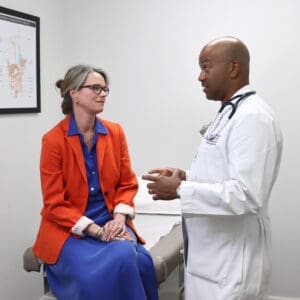
When Catherine Smart turned 45, she marked the milestone with more than just a birthday celebration. She also made the decision to prioritize her health by scheduling her first colonoscopy. For Catherine, prevention has always been a core value. From mammograms to skin cancer screenings to regular dental visits, she lives by the mantra “an ounce of prevention is worth a pound of cure.” This time, her focus was on ensuring her long-term colon health.
Choosing the Right Care Provider
Catherine entrusted her care to Dr. Ian Gaillard, a highly regarded gastroenterologist at Jefferson Regional in Pine Bluff. From her initial consultation to the outpatient colonoscopy procedure itself, Catherine was thoroughly impressed with the care she received. Dr. Gaillard and his team created a seamless, comfortable experience that left her confident she was in great hands.
The Outcome That Made All The Difference
During Catherine’s colonoscopy, Dr. Gaillard removed several small colon polyps. While these polyps were not cancerous, they were precancerous, meaning they had the potential to develop into colon cancer over time. By removing them early, Catherine eliminated that risk entirely.
“Knowing those polyps are gone and that I drastically reduced my risk of colon cancer is such a relief,” Catherine shared. Since she is considered low-risk for colon cancer, Catherine doesn’t have to worry about another screening for five years.
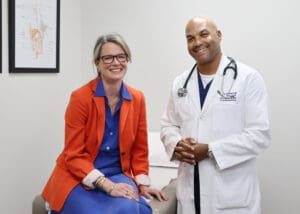
Colonoscopies Save Lives – Here’s Why You Should Schedule Yours
Catherine’s story isn’t unique, but it serves as an important reminder for others to make colon health a priority. Colonoscopies are a powerful preventive tool, and according to Dr. Gaillard, everyone should begin routine screenings at age 45. For those with a family history of cancerous polyps, screenings should start even earlier – 10 years before the age their relative was diagnosed.
What You Should Know About Colonoscopies
Dr. Gaillard shares key facts about colonoscopies and why they’re essential for preventing colon cancer:
- When to Start: For most people, routine screenings begin at age 45. However, if you have a parent or sibling with cancerous polyps, earlier screenings are necessary.
- Frequency of Screenings: The maximum interval between colonoscopies is 10 years unless otherwise directed by your physician.
- Painless Procedure: Thanks to sedation, patients experience no discomfort during a colonoscopy. It’s a quick, outpatient process designed with your comfort in mind.
- Preparation is Key: Following your doctor’s prep instructions is vital to ensure an accurate and thorough screening. Proper preparation is non-negotiable for getting the best results.
- Know Your Family History: Sharing your family’s cancer history with your provider helps in tailoring your care plan to your specific risk factors.
- Understand Insurance Coverage: Familiarize yourself with your insurance plan to avoid unexpected costs and ensure coverage for your screening.
A Warning About At-Home Colonoscopy Kits
Dr. Gaillard also warns against relying on at-home colonoscopy screening kits. While these may seem convenient, they come with significant drawbacks, including high false-negative and false-positive rates. This can lead to missed diagnoses or unnecessary procedures. There is no substitute for an in-office colonoscopy conducted by a trained professional.
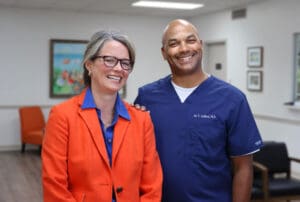
Prevention is Everything
Colonoscopy screenings save lives by catching potential problems early, just like Catherine’s story demonstrates. If she had delayed or skipped her first screening, those precancerous polyps might have gone unnoticed, putting her at higher risk for colon cancer down the road.
If you’re 45 or older, don’t wait to start prioritizing your colon health. Be proactive, schedule an appointment with your GI provider, and follow through with your screening. Prevention is the one step you won’t regret taking.
Your Next Step Towards Prevention
Looking for a provider? Dr. Gaillard is currently accepting appointments at Jefferson Regional in Pine Bluff. His expertise and compassionate care ensure patients are well taken care of every step of the way. Take control of your health and schedule your colonoscopy today!
To make an appointment, please call Jefferson Regional GI Associates at 870-541-7201, or click HERE to learn more!