
Men’s Health Month Spotlight: Kenneth Bonnett’s Story and the Power of Early Detection
Posted on 06.25.25 in
Men’s Health Month is a time to raise awareness about the unique health challenges men face and the steps they can take to live longer, healthier lives. One of the most pressing concerns? Prostate cancer. With over 313,780 new cases predicted in 2025 and approximately 35,770 expected deaths, prostate cancer remains a significant health issue for men in the U.S., according to the American Cancer Society. But there’s hope. Early detection saves lives—as demonstrated by Kenneth Bonnett’s remarkable story.
Prostate Cancer at a Glance
Prostate cancer is the second-leading cause of cancer death among American men, second only to lung cancer. Around 1 in 8 men will be diagnosed with prostate cancer during their lifetime, and the risks increase with age, race, and genetic factors. Yet it’s also worth noting that more than 3.5 million men in the U.S. who’ve been diagnosed with prostate cancer are living today, thanks to early detection and improved treatment options.
This underscores an important truth: while prostate cancer can be life-threatening, it doesn’t have to be a death sentence. If identified early, it can often be treated successfully.
Kenneth Bonnett’s Early Detection Success Story
Meet Kenneth Bonnett, a 59-year-old resident of Crossett, Arkansas, who knows firsthand the importance of early detection. Kenneth’s story is one of perseverance, proactive health monitoring, and the lifesaving power of regular checkups.
Kenneth had been seeing his primary care physician in Lake Village regularly. During his visits, his PSA (Prostate-specific Antigen) levels were closely monitored. PSA is a protein produced by normal and cancerous cells in the prostate, and elevated levels may indicate potential issues, including prostate cancer. Here’s what you should know about PSA levels:
- Under 4 ng/mL is typically considered normal, but some men with lower levels may still develop prostate cancer.
- Between 4 and 10 ng/mL is considered a “borderline range,” with a 1 in 4 chance of prostate cancer.
- Over 10 ng/mL significantly increases the likelihood of a prostate cancer diagnosis, with chances exceeding 50%.
Kenneth’s PSA levels consistently rose, prompting his doctor to recommend seeing a urologist. Despite the advice, Kenneth delayed making an appointment for six months. However, once he visited Dr. Jordan Hanberry at Jefferson Regional Urology Associates, his initial hesitation was replaced by decisive action. Dr. Hanberry diagnosed Kenneth with prostate cancer and presented him with two treatment options: prostate removal surgery or radiation therapy.
Having recently undergone back surgeries, Kenneth opted for radiation therapy. Under the care of Dr. Hameed at the Jefferson Regional Jones-Dunklin Cancer Center, Kenneth began an intensive treatment schedule, receiving radiation five times a week for a total of 28 sessions. Each session lasted only 15 minutes. Thanks to the incredible effort of the JDCC team, Kenneth is handling his treatments well, and he feels supported every step of the way.

The Importance of Accessibility and Community
For patients like Kenneth, the support goes beyond medical care. Living 140 miles round trip from the treatment center posed significant challenges, but the JDCC team stepped in to assist with travel and lodging expenses, ensuring that Kenneth could focus on his health without additional stress. Kenneth expressed his gratitude, sharing how the kindness of Dr. Hanberry’s team, Dr. Hameed, and the Cancer Center staff has made all the difference in his treatment experience.
Why Early Detection Matters
Kenneth’s story is a testament to how early detection can change the course of prostate cancer outcomes. When caught early, patients have more treatment options and higher survival rates. Over the years, thanks to advancements in screening and treatment, the prostate cancer death rate has dropped by nearly 50% since 1993. However, recent trends show an increase in late-stage diagnoses, emphasizing the need for consistent screenings.
Risk Factors to Keep in Mind
While any man is at risk of developing prostate cancer, certain factors elevate that risk:
- Age: The likelihood of prostate cancer increases rapidly after age 50. Men over 65 account for about 60% of all prostate cancer diagnoses.
- Race/Ethnicity: African American men and Caribbean men of African ancestry are at the highest risk.
- Family History: Having a father or brother with prostate cancer more than doubles the risk.
- Genetics: Certain gene mutations, such as BRCA1 or BRCA2, also increase the risk.
Understanding these factors can help men make informed decisions about when to begin screening.
Take Action for Your Health
Kenneth’s decision to seek screening and start treatment was life-saving. This Men’s Health Month, take the step that could save your life. Here’s how:
- Schedule a Prostate Cancer Screening: Don’t wait. Proactively monitor your PSA levels, especially if you’re over 50 or at higher risk.
- Talk to Your Doctor: Discuss your risk factors and determine the best screening schedule for you.
- Spread the Word: Encourage your friends, family members, or anyone you know to schedule their screenings as well.
The earlier prostate cancer is detected, the better the chance for successful treatment and survival. If you’re unsure where to start, visit Dr. Hanberry’s Urology Resource site to find resources and learn more about screening.
Kenneth’s Message to You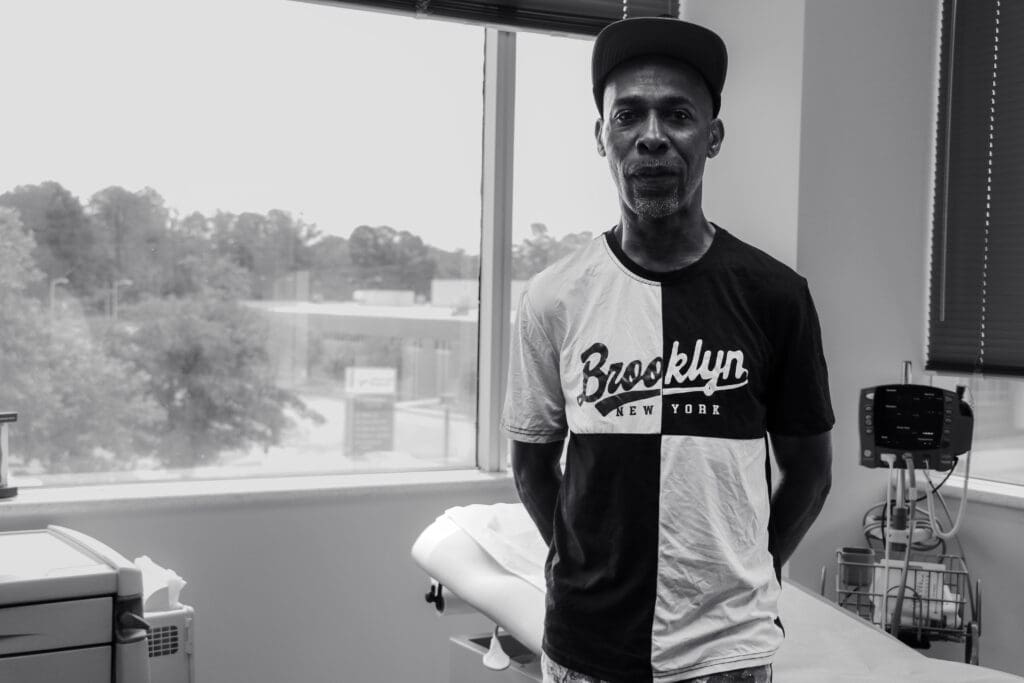
Kenneth is grateful for the exceptional care he continues to receive and the support of his community. His story is proof that early screenings can save lives, and he hopes his experience will inspire others to take action. If you haven’t thought about scheduling your prostate cancer screening yet, consider this post your friendly nudge.
Your health is worth it. Make the call today.
Jefferson Regional Urology Associates 870-541-6060
Jefferson Regional Jones-Dunklin Cancer Center 870-541-3240